
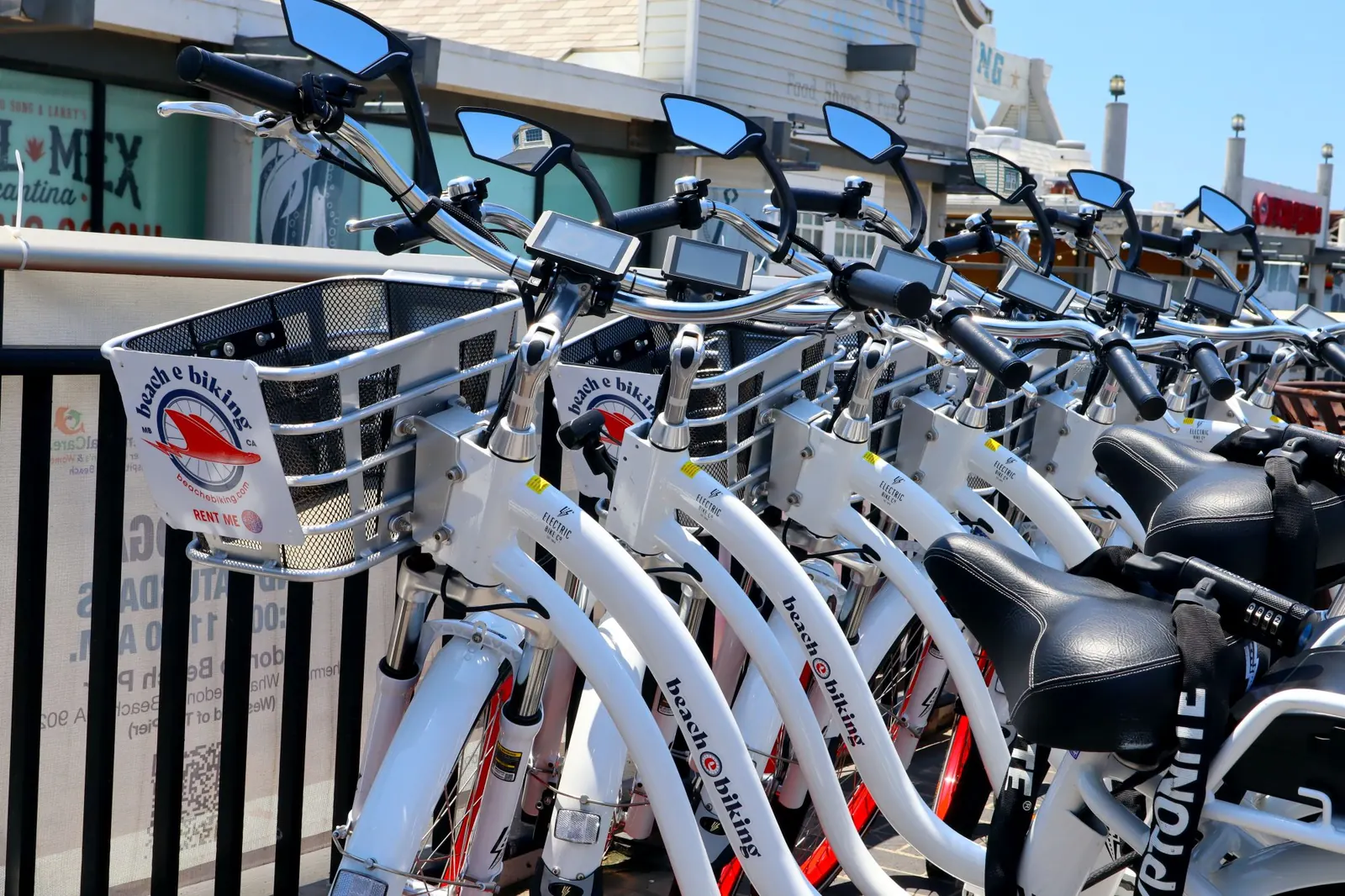
Electric bikes have transformed how people navigate Mobile's streets, from downtown Dauphin Street to the scenic routes along Mobile Bay. These battery-powered bicycles offer an appealing combination of exercise, convenience, and eco-friendly transportation. However, the rising popularity of e-bikes has brought an alarming surge in serious injuries and deaths. Many of these accidents result from defective equipment, manufacturing flaws, and inadequate safety inspections that put unsuspecting riders at risk. Understanding these dangers becomes essential for both riders and their families when accidents occur.
What Product Defects and Equipment Failures Make E-Bikes So Dangerous?
E-bikes contain numerous components that can fail catastrophically when improperly manufactured, inadequately inspected, or defectively designed. Brake system failures represent one of the most common and dangerous defects. When brakes fail at speeds of 20 to 28 miles per hour, riders have no ability to stop or slow down, leading to devastating collisions with vehicles, pedestrians, or fixed objects. Some e-bikes are sold with brake systems inadequate for the weight and speed of the vehicle, while others suffer from manufacturing defects that cause brake failure after minimal use.
Electrical system malfunctions pose serious dangers. Faulty wiring, defective controllers, and improperly installed motors can cause sudden acceleration, loss of power assistance mid-ride, or complete system failures that leave riders unable to control the bike. Throttle mechanisms that stick or fail to disengage can send e-bikes surging forward unexpectedly, catching riders off-guard and causing them to lose control.
Battery defects have emerged as a particularly alarming hazard. The Consumer Product Safety Commission documented 19 deaths from micromobility device fires between January 2021 and November 2022. Lithium-ion batteries can overheat, catch fire, or explode during charging or use when they contain manufacturing defects, inadequate thermal management systems, or substandard components. These fires burn extremely hot and spread rapidly, and can cause serious injury or even death. Defective batteries can also fail during riding, causing sudden power loss at dangerous moments.
Structural failures including frame cracks, wheel detachments, and handlebar failures can occur when manufacturers use substandard materials or inadequate welding and assembly processes. The additional weight and stress from electric motors and batteries can expose weaknesses in frame design that might not appear in traditional bicycles. Fork failures are particularly catastrophic, as they cause immediate loss of steering control at whatever speed the rider is traveling.
Many e-bikes are sold with missing or inadequate safety equipment. Insufficient lighting systems make riders nearly invisible to motorists, especially during dawn, dusk, or nighttime riding. Inadequate reflectors, missing or poorly designed fenders, and insufficient chain guards can all contribute to accidents. When manufacturers or retailers fail to properly inspect e-bikes before sale, these critical safety deficiencies may go unnoticed until an accident occurs.
What Makes E-Bikes More Dangerous Than Traditional Bicycles?
E-bikes can reach speeds of 20 to 28 miles per hour with minimal pedaling effort, placing them in a dangerous middle ground between traditional bicycles and motorcycles. Research shows that e-bike injuries increased exponentially from 751 in 2017 to 23,493 in 2022, a staggering rise that has medical organizations deeply concerned. Nearly half of all e-bike injuries recorded between 2017 and 2022 occurred in 2022 alone.
The speed capability of e-bikes creates compounding safety concerns when combined with defective components. Many riders lack experience handling a vehicle at these speeds, especially when equipment fails unexpectedly. The weight of e-bikes, typically 50 to 70 pounds due to the battery and motor, makes them significantly harder to control than standard bicycles. When brake systems fail or steering components malfunction, this extra weight makes it nearly impossible to bring the bike under control. In emergency situations, defective equipment can be the difference between avoiding a collision and a catastrophic crash.
Studies reveal that riding an e-bike makes you 57% more likely to be involved in an accident compared to riding a traditional bicycle. The injury severity is also markedly higher. Research from trauma centers shows that e-bike accident victims are more likely to require hospital admission than traditional bicycle riders, with more than 10% of e-bike injuries requiring hospitalization compared to lower rates for conventional bikes.
Why Are Beach and Vacation Rental E-Bikes Particularly Dangerous?
E-bikes have become extremely popular at Alabama Gulf Coast beach destinations including Gulf Shores, Orange Beach, Dauphin Island, and Fairhope. Vacation rental companies, beach resorts, and local shops offer e-bikes as convenient transportation for tourists exploring coastal areas. However, these rental e-bikes present unique and serious dangers that have led to numerous severe injuries.
Rental e-bikes often receive inadequate maintenance and safety inspections between uses. High-volume rental operations may prioritize quick turnaround over thorough equipment checks, sending bikes out with worn brakes, loose components, underinflated tires, or electrical system issues that haven't been properly diagnosed. Unlike personal e-bikes where owners notice gradual degradation, rental customers have no knowledge of the bike's maintenance history or existing problems until something fails during their ride.
Vacationers renting e-bikes typically have little to no experience operating these powerful vehicles. A family visiting Gulf Shores for a beach weekend may rent e-bikes without understanding how different they handle from traditional bicycles, how to properly use the electric assistance, or how to stop safely at higher speeds. This inexperience becomes dangerous when combined with unfamiliar roads, beach traffic, and the relaxed mindset of vacation. Tourists may underestimate the power of e-bikes, especially when riding on flat beach paths where the electric motor can quickly accelerate the bike to top speeds.
Beach environments create additional hazards for e-bike riders. Sand on roadways reduces traction and can cause sudden loss of control, particularly when brakes are applied or turns are attempted. Salt air accelerates corrosion of metal components, brake systems, and electrical connections, potentially causing premature failure of critical safety equipment on rental bikes that spend their entire service life in coastal conditions. Crowded beach areas with pedestrians, children, other cyclists, and vehicle traffic create complex scenarios that inexperienced riders struggle to navigate safely.
Rental companies may provide bikes with missing or inadequate safety equipment, fail to properly fit riders to appropriate bike sizes, offer minimal or no safety instruction before releasing bikes to customers, or neglect to inform renters about local traffic laws and bike path regulations. When visitors to Orange Beach or Fairhope rent e-bikes without proper orientation or safety equipment, they put themselves and others at serious risk.
The combination of inexperienced riders, inadequately maintained rental equipment, unfamiliar terrain, and busy beach environments has resulted in severe accidents throughout Alabama's coastal communities. Tourists have suffered catastrophic injuries from brake failures on rental e-bikes, collisions with vehicles when riders couldn't control their speed, crashes caused by defective components that rental companies failed to inspect, and accidents involving riders who received no safety instruction or warnings about the e-bike's power and handling characteristics.
What Other Dangers Do E-Bike Riders Face Beyond Car Crashes?
While motor vehicle collisions dominate fatality statistics, single-vehicle accidents and loss of control represent serious dangers that account for approximately 15% of e-bike deaths. Equipment failures play a significant role in these incidents. Riders experiencing brake failures, sudden acceleration from throttle malfunctions, or steering component failures may crash into fixed objects like poles, trees, or barriers even without another vehicle involved. Tire blowouts, wheel detachments, and frame failures at high speeds can throw riders from their bikes with devastating results.
Unknown falls account for another 16% of e-bike fatalities. While investigators cannot always determine exactly what caused these falls, equipment malfunctions often contribute. Sudden power loss from electrical system failures, chain breaks, or structural component failures can cause riders to lose balance and crash. The unique handling characteristics of e-bikes at higher speeds, combined with unexpected equipment failures, create scenarios where riders cannot maintain control.
Pedestrian collisions represent an emerging danger as e-bike usage increases in urban areas. Data shows that 7% of e-bike fatalities involve pedestrians, including both riders who crash into pedestrians due to brake failures or loss of control, and pedestrians struck and killed by e-bikes. When throttle mechanisms stick or brake systems fail, riders may be unable to avoid pedestrians in crosswalks, on sidewalks, or in shared spaces.
What Injuries Do E-Bike Accident Victims Typically Suffer?
The consequences of e-bike accidents can be catastrophic, particularly when equipment failures cause high-speed crashes. Head injuries remain the most serious concern and occur most frequently in e-bike crashes. Traumatic brain injuries can result in long-term cognitive impairment, memory problems, and permanent disability. Research shows that head trauma from e-bike accidents increased 49-fold nationally between 2017 and 2022. Skull fractures and severe concussions are common when riders are thrown from their bikes due to equipment failures or struck by vehicles after losing control. One study from Marin County revealed that nearly one in eight e-bike trauma patients brought to the emergency room by ambulance died from their injuries, with a death rate 37 times higher than traditional bicycle crashes.
Statistical analysis of e-bike injuries reveals the following breakdown: soft-tissue damage accounts for 40% of injuries, fractures represent 20%, internal injuries make up 17%, and traumatic brain injuries occur in approximately 0.5% of cases. However, the severity of injuries tends to be higher for e-bikes than traditional bicycles across all categories, particularly when defective equipment contributes to the crash.
Spinal cord injuries represent another devastating possibility. The force of being hit by a car after losing control, thrown from an e-bike at high speed due to equipment failure, or crashing into fixed objects when brakes fail can cause compression fractures, herniated discs, or complete spinal cord damage leading to paralysis. Pelvic fractures occur more commonly in e-bike accidents than traditional bicycle crashes, with injury patterns resembling motorcycle accidents rather than bicycle incidents.
Multiple fractures to arms, legs, collarbones, and ribs are typical when the body impacts pavement or vehicle surfaces at e-bike speeds. Road rash, while seemingly minor compared to other injuries, can cover large portions of the body and require extensive treatment including skin grafts. Internal injuries may not be immediately apparent but can prove life-threatening. Organ damage, internal bleeding, and rib fractures that puncture lungs require emergency medical intervention.
Burn injuries from battery fires add another dimension of suffering. When lithium-ion batteries explode or catch fire, victims can suffer severe burns requiring extensive treatment including skin grafts, multiple surgeries, and lengthy rehabilitation. These fires can also cause smoke inhalation injuries and respiratory damage.
The medical expenses associated with these injuries can quickly reach hundreds of thousands of dollars, especially when long-term care, rehabilitation, and therapy are necessary. More than 10% of e-bike riders who crash require hospital admission, a significantly higher rate than traditional bicycle accidents.
What Should You Do Immediately After an E-Bike Accident?
The moments following an accident are significant for both your health and any potential legal claim. Call 911 immediately, even if you feel your injuries are minor. Adrenaline can mask pain and injury symptoms that may worsen hours or days later. This applies whether you've collided with a motor vehicle, lost control and crashed, or been involved in any other type of e-bike accident. Police documentation creates an official record of the incident, including driver information if applicable, witness statements, and initial fault determinations.
Seek medical attention without delay. Some injuries, particularly internal bleeding, traumatic brain injuries, or spinal damage, may not present obvious symptoms initially but require urgent treatment. Medical records also establish a direct link between the accident and your injuries, which becomes important when seeking compensation. Take photographs of the accident scene, your injuries, damage to the e-bike, and any vehicles or objects involved if you're physically able to do so safely.
If your injuries resulted from an e-bike defect, battery fire, or equipment malfunction, preserving evidence becomes very important. Do not attempt to repair or modify the bike, as this could impact your ability to pursue a product liability claim against the manufacturer, retailer, or other responsible parties. Take detailed photographs of any failed components, including brakes, electrical systems, structural damage, or battery issues. If possible, note the make, model, and serial number of the e-bike and any identifying information about the failed components.
How Can Tobias & Comer Law Help Mobile E-Bike Accident Victims?
When you've suffered serious injuries in an e-bike accident, whether from defective equipment, a collision with a motor vehicle, a product malfunction, or any other cause, you need legal guidance from attorneys who understand both the complexities of Alabama personal injury law and product liability claims. At Tobias & Comer Law, we've spent over 75 years of combined experience helping injured people throughout Mobile and the Alabama Gulf Coast recover the compensation they deserve. Our track record includes securing over $100 million for clients facing circumstances similar to yours, including substantial recoveries in cases involving defective e-bikes and inadequate safety inspections.
Product liability cases involving e-bikes require thorough investigation and analysis. We work with engineering professionals, product safety analysts, and accident reconstruction specialists to establish exactly what failed, why it failed, and who bears responsibility. Manufacturers, retailers, distributors, and maintenance providers may all share liability when defective or inadequately inspected e-bikes cause injuries. Our experience with products liability cases means we know how to identify all responsible parties and hold them accountable.
We handle the investigation process while you focus on recovery. This includes gathering police reports, medical records, and witness statements, preserving and analyzing the defective e-bike and failed components, consulting with product liability specialists and engineering professionals, reviewing manufacturing processes and inspection protocols, and dealing directly with insurance companies and manufacturers attempting to minimize your claim or deny responsibility.
Our firm works each client's case personally from start to finish. You won't be passed off to paralegals or junior associates. When you call, you speak with experienced attorneys Desi Tobias, Bryan Comer, or Lacey Smith, who will guide you through every step of the legal process. Lacey Smith's background as a former insurance defense attorney provides particular insight into how insurance companies and manufacturers approach e-bike accident claims and attempt to shift blame away from defective products.
Alabama law imposes strict time limits for filing personal injury and product liability claims. Waiting too long can forfeit your right to compensation for medical expenses, lost wages, pain and suffering, and other damages. We offer free consultations to evaluate your case and explain your legal options. You pay nothing unless we successfully recover compensation for you.
The alarming rise in e-bike accidents throughout Mobile and the Gulf Coast communities, particularly those caused by defective equipment and inadequate inspections, demands experienced legal representation when serious injuries occur. Whether your accident involved brake failure, electrical system malfunction, battery fire, structural failure, missing safety equipment, or any other product defect, Tobias & Comer Law stands ready to help.
If you or someone you love has been injured in an e-bike accident in Mobile, Dauphin Island, Spanish Fort, Fairhope, or anywhere along the Alabama Gulf Coast, contact Tobias & Comer Law today at (251) 432-5001. Real people helping real people, with the compassion and experience your case deserves.